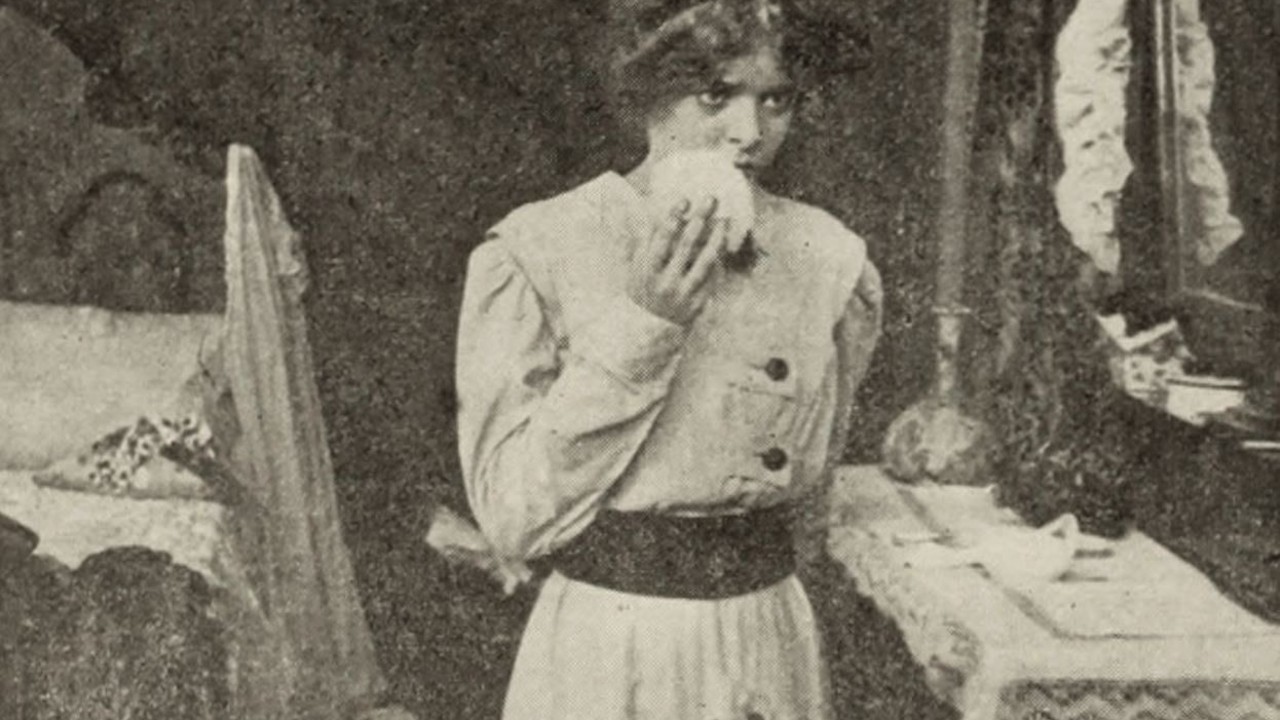
The evolution of cinematic techniques is well-known, but many don’t recognize how movies became what they really are—the projection of human psychology. In other words, cinema fundamentally changed once filmmakers realized that movies should stop being “theater recorded.” Few filmmakers shaped the cinematic language of emotional intimacy more profoundly than D. W. Griffith and his film, ‘The Painted Lady‘. Despite his controversial legacy, the director’s brutal genius manifested in capturing the intimacy of characters, as he saw that movies aren’t meant for the broad strokes typical of stage actors but for the subtle nuances of people.
The Painted Lady, released in 1912, is an excellent example of Griffith’s revolutionary approach. For once, the director managed to create a story based almost entirely on inner turmoil. To get rid of the exaggerated acting techniques typical of early films, he relied on small physical ticks such as a twitch of an eyebrow or prolonged gaze. By choosing to portray the internal breakdown of the protagonist played by Blanche Sweet, he helped revolutionize filmmaking. This movie showed that close-up shots can be used for much more than mere camera technique.
The Architecture Of Intimacy By D.W. Griffith
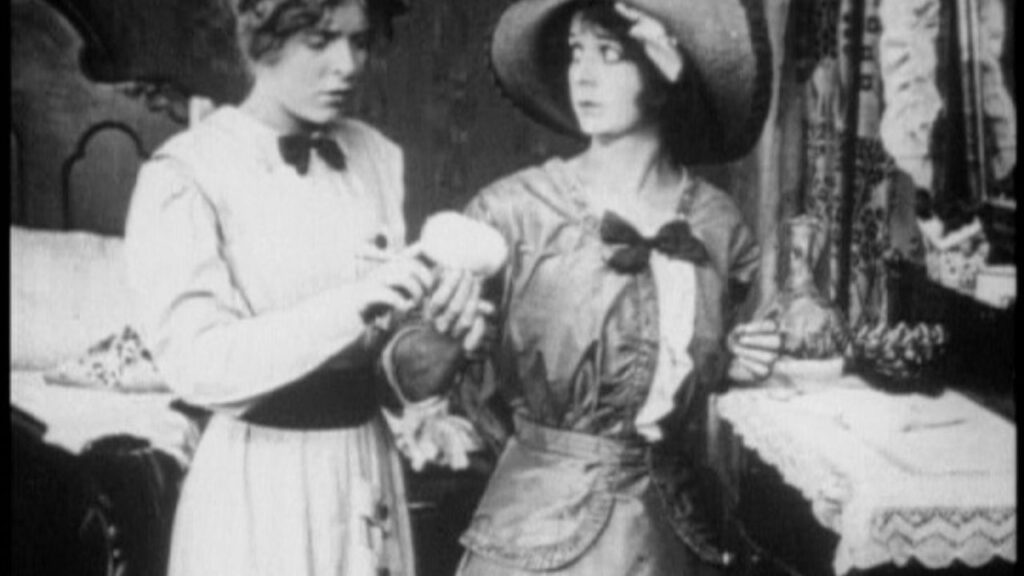
What D. W. Griffith understood long before many others was that film isn’t about wide shots or vast spaces. In The Painted Lady, the director used the camera to mirror the state of mind of the protagonist. We see how the protagonist tries to bring back her youthful beauty through makeup, ultimately destroying herself with the very same artifice. This was the moment when film stopped being the recording of outer actions to delve into the inner struggles of the characters. It seemed less like a theater performance and more like eavesdropping on someone’s soul.
To create this atmosphere, the director relied on selective editing techniques that were still evolving during the early days of cinema. Rather than filming entire scenes from a single fixed camera position, he increasingly used cut-ins and closer framing to emphasize emotional and narrative details.
Thus, the director learned how to show the audience the details that matter and teach them where to look and why. Moving the camera closer to the subject and creating visual and temporal tension, he helped films transition from a sideshow attraction to an art form capable of competing with books or paintings. He knew that there was much more than a simple glance in the eyes of the viewer.
A Legacy Carved In Shadow
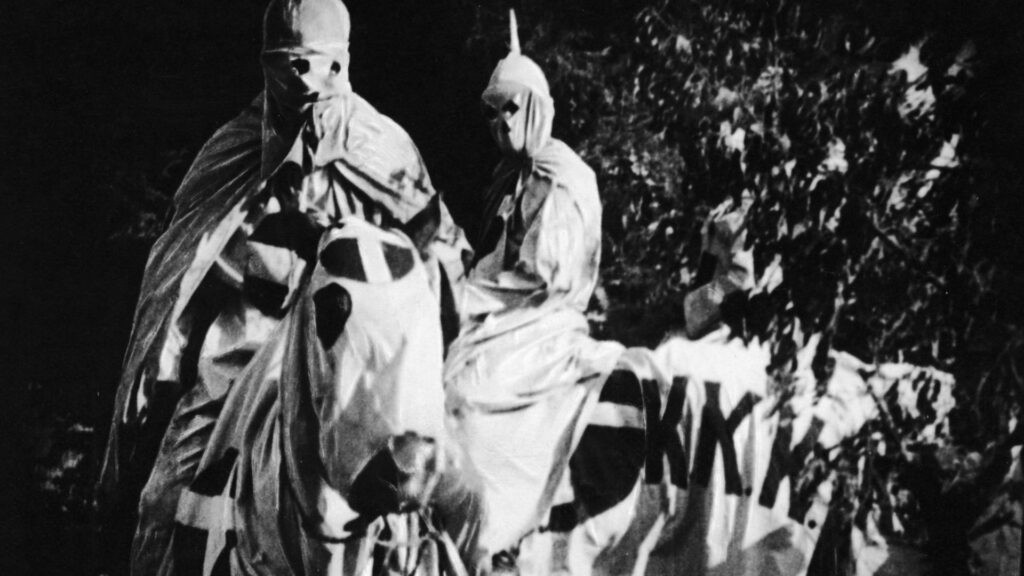
There is no use in talking about D. W. Griffith and his revolutionary innovations without mentioning his enormous moral failings. He was a man full of contradictions whose talent for making beautiful movies was overshadowed by an equally strong talent for making hatred-filled propaganda.
That contradiction became impossible to ignore after The Birth of a Nation, whose technical ambition was inseparable from its virulently racist ideology. However, refusing to acknowledge his achievements and contributions to the cinematographic craft means ignoring one of the foundations of modern movies.
His genius is “brutal” because it is harsh, unforgiving, and relentless. He was a perfectionist who refined the use of cross-cutting to enhance dramatic tension in his movies. He also helped standardize and popularize techniques such as fade-outs, irises, and more dynamic pacing in film editing.
In case you missed it: Quentin Tarantino Reveals The Only Villain He Felt No Sympathy For And It’s Not Who You Think
The monumental sets and extravagant effects used in his later movies, the true legacy of Griffith lies in his early, intimate films. He discovered that films can capture something usually invisible to an untrained observer: silent sorrow, concealed hope, and creeping madness. Griffith understood that cinema is less about the events taking place onscreen and more about emotions. He proved that film is able to show us the human condition and reveal the depth of a soul.
Despite the eternal controversy surrounding his name, The Painted Lady proves that this genius of early cinema gave us far more than we often realize. Many conventions of modern cinematic storytelling still bear Griffith’s influence. Directors and filmmakers across generations continue to build upon the cinematic language he helped shape, walking in the deep footprints he left behind.
You might also like to read: Top 25 Thriller Series Of All Time, Ranked