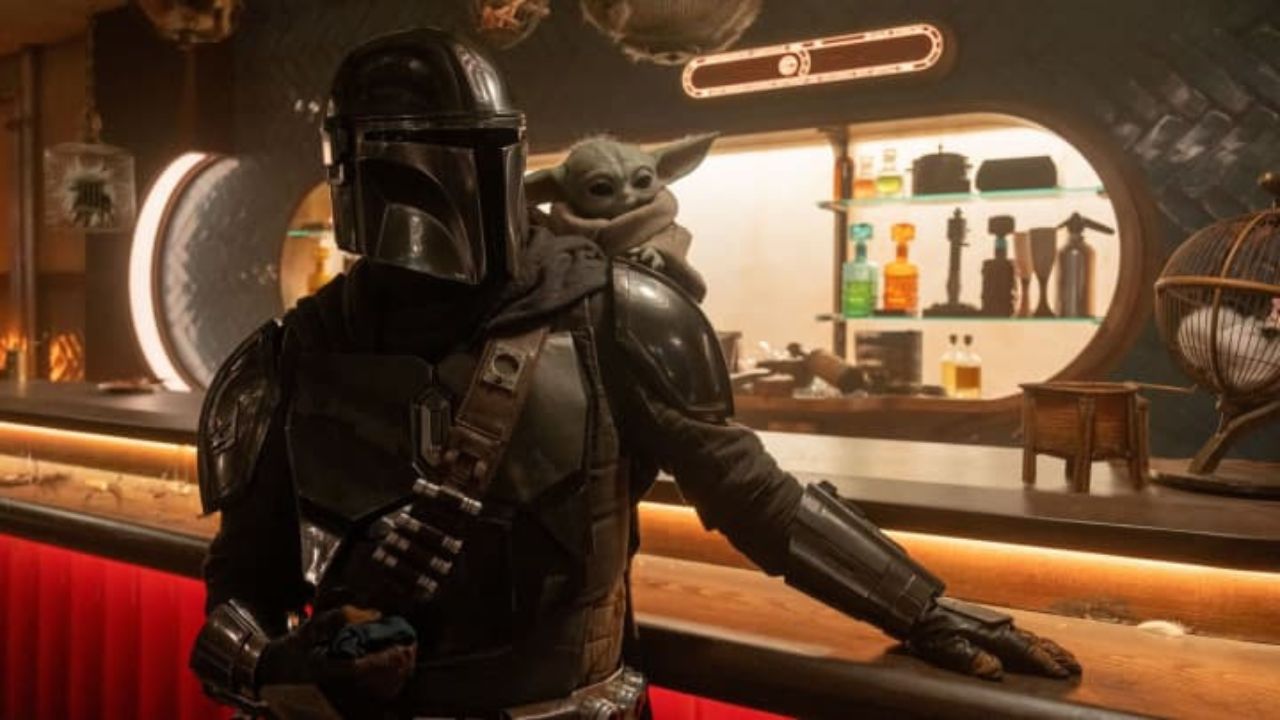
Whenever Din Djarin silently enters a room in ‘The Mandalorian,’ much of that physical presence comes from Brendan Wayne, the grandson of legendary Western actor John Wayne. While Pedro Pascal provides the voice and unmasked appearances for the bounty hunter, and stunt performer Lateef Crowder handles the intense fight choreography, Wayne became responsible for crafting the Mandalorian’s deliberate gunslinger movement inside the beskar armor.
That physical performance became one of the defining elements of the Disney+ series. Din Djarin rarely removes his helmet, meaning emotion, tension, and authority must come entirely through posture, movement, and pacing. To build that presence, Brendan Wayne leaned heavily into classic Western cinema techniques connected directly to his grandfather’s legacy and the filmmaking philosophy of legendary director John Ford.
The Power Of Staying Still
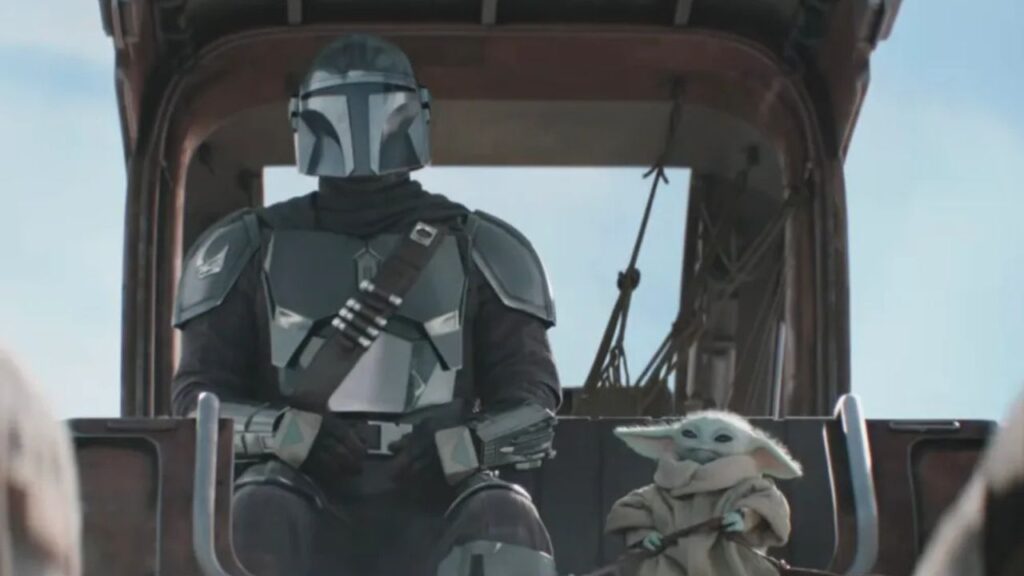
One of the most important lessons Wayne carried into the role involved restraint rather than movement. Series creator Jon Favreau reportedly encouraged him to embrace stillness and avoid unnecessary motion while performing as Din Djarin.
That direction immediately reminded Wayne of stories involving John Wayne and John Ford during the classic Western era. Ford famously told Wayne, “The less I give you, Duke, the better the movie is going to be.” Brendan Wayne applied that exact philosophy while building the Mandalorian’s screen presence.
Related: From ‘The Mandalorian’ To ‘New Jedi Order’: Mapping The Future Of The ‘Star Wars’ Cinematic Universe
Instead of making the character constantly active, Wayne focused on making every movement feel deliberate. Din Djarin often stands completely motionless before suddenly shifting his hand toward a blaster or turning his helmet toward a threat.
That contrast creates tension because the audience starts anticipating movement before it happens.
Wayne compared the performance style to a samurai. The goal was never speed or exaggerated action. The character needed to project calm control at all times.
Because the armor limits facial acting entirely, body language became the only tool available for expressing confidence, danger, hesitation, or emotion.
The approach also reinforced the space-Western identity of ‘The Mandalorian.’ The series constantly borrows visual language from classic cowboy films, especially the quiet, controlled presence associated with actors like John Wayne and Clint Eastwood.
Building Din Djarin’s Walk
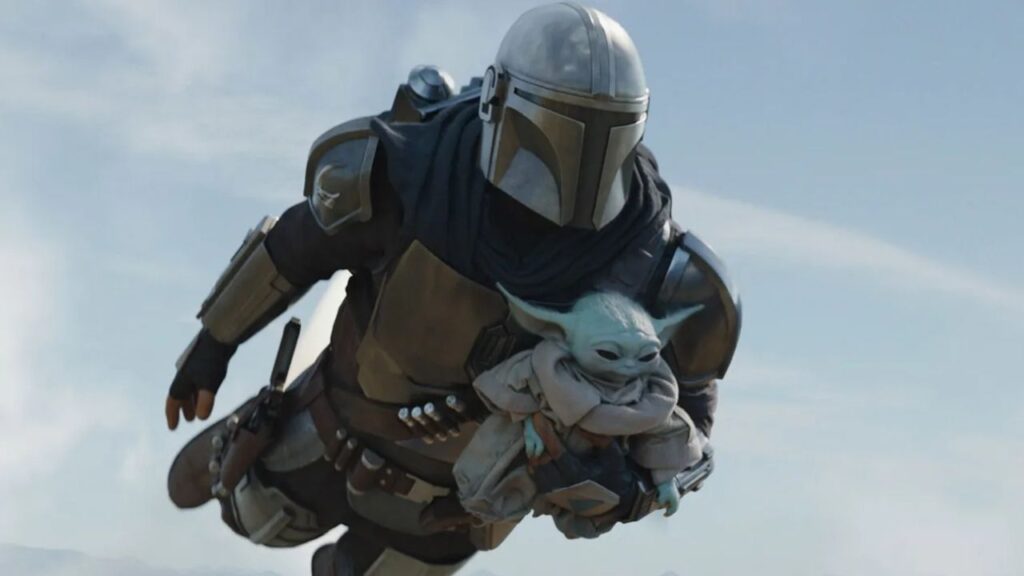
Brendan Wayne revealed that he spent hours specifically practicing Din Djarin’s walk before filming scenes. He often arrived on set two to three hours early, worked out, suited up in the heavy armor, and then walked through empty sets repeatedly before cameras rolled.
The process helped him understand how the armor shifted during movement and allowed him to refine the character’s balance and pacing. Wayne wanted the Mandalorian to move with controlled weight rather than looking stiff or awkward inside the costume.
He drew direct inspiration from classic Western actors, including his grandfather and Clint Eastwood, while also referencing Yul Brynner in Westworld. The final result gave Din Djarin a heavy, measured walk that immediately separated him from other modern science-fiction heroes.
In case you missed: ‘Star Wars’: 5 Material That Can Block Lightsabers
The connection between ‘Star Wars’ and John Wayne’s legacy became even more surprising after Brendan discovered his grandfather technically appeared in the franchise decades earlier.
During production, Wayne learned that director George Lucas used heavily processed stock audio from True Grit to create the voice of Garindan, the Imperial informant in ‘Star Wars: Episode IV – A New Hope.’
That discovery created an unexpected full-circle moment for the family. More than forty years after John Wayne’s voice quietly entered the ‘Star Wars’ universe, his grandson became the physical foundation for one of the franchise’s most recognizable modern characters.
Today, Brendan Wayne remains one of the biggest reasons Din Djarin feels different from traditional armored heroes.
You Might Also Like to Read: The Secret History Of The ‘Star Wars’ Opening Crawl—And The Director Who Convinced George Lucas To Write It