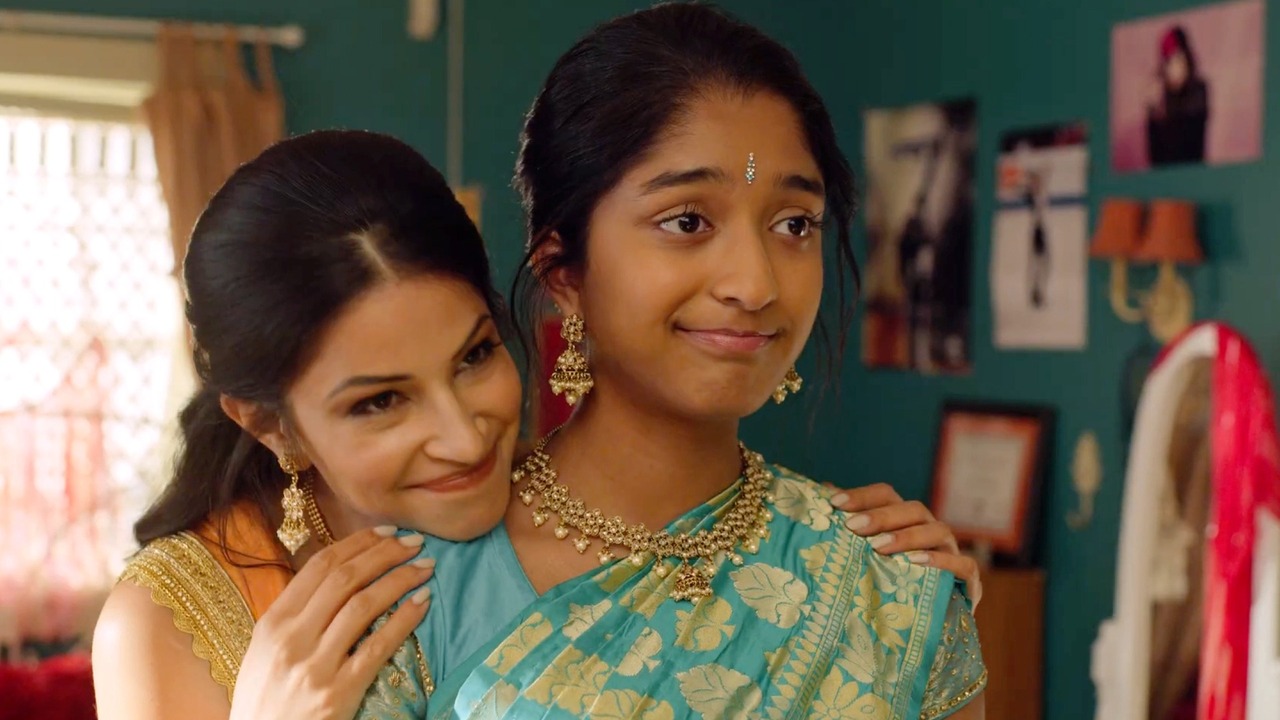
‘Never Have I Ever’ was all the rage when it premiered on Netflix in the early summer of 2020. It sparked mixed feelings among the audience for various reasons. While some believed it pandered to a specific audience, others strongly opposed this view. Despite criticisms, Mindy Kaling’s show reimagined South Asian representation on global television.
It both thwarted caricatures and highlighted them through a narrative tool: the community. The show felt like a fresh cocktail of grandeur, flamboyance, and cultural flair, but it isn’t limited to only that. Here’s how the beloved teen series changed how we view South Asian characters.
Thwarting Caricatures, One Character At a Time

If we go by past media trends, South Asian representation has been very limited and caricaturish. For instance, Apu from ‘The Simpsons’ or Raj from ‘The Big Bang Theory’ have been the poster boys of stereotypes. It mostly started with a handful of people mimicking an obnoxious Indian accent. To make matters worse, it portrayed the South Asian community, especially Indian families, as extremely socially awkward. However, ‘Never Have I Ever’ took a fresh turn by smashing these very clichés that often pigeonhole an entire sect of people as a whole.
Related: How Tom Brady Turned The Tables On Kevin Hart During Netflix Special
The show’s storyline follows Devi Vishwakumar and the complexities of her life, some emotional, some hilarious, and some completely over-the-top. She is headstrong and far from being docile, but she’s also your average teen who makes mistakes. Devi’s journey throughout the show explores her emotions, her grief, and the aftermath. It also reflects in her relationships with her friends and love interests, Ben and Paxton. And that’s how she breaks the mold of a celibate, shy, submissive teenager. These traits shine when the show portrays her as someone who actively enrolls in therapy and navigates grief.
Even today, seeking therapy seems like an alien concept for many within the South Asian communities and on-screen representations. But this show proves that it’s really not, especially for people like Devi, who doesn’t box herself in. The fact is, popular media normalizes perils as strength, but that’s not the case here. Additionally, the protagonist is also not afraid to call out appropriation, as seen in the first season. But that’s not it. The series follows a series of events in which she slowly accepts her cultural identity rather than fighting it. It is also synonymous with Nalini and Mohan’s struggles as immigrants. This is where community becomes a narrative tool in the story.
Community and Belongingness in ‘Never Have I Ever’
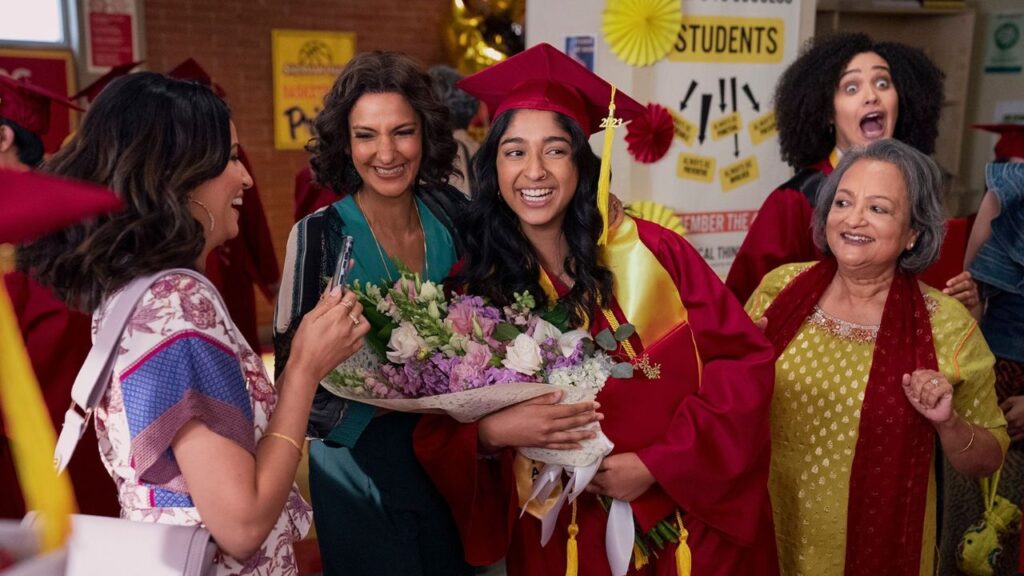
Throughout the story, Devi’s attraction to Paxton stems from her desire to be popular, a common trope in high school dramas. In this case, it is her need to belong to a place and to break free from the whole nerd label. Little does she know that she already has a community. She reinvents herself in each season, even if it comes to making difficult decisions. Ultimately, it affects everyone, including her friends and family. Meanwhile, ‘NHIE’ has also portrayed a realistic mother wound that’s quite common in South Asian communities.
In case you missed it: Netflix’s ‘The Crown’ Prequel Update: Cast, Plot, Budget and Everything We Know So Far
At first, Nalini’s bond with Doctor Jackson stings Devi, who feels that her mother moved on too quickly from her father’s passing. But by the end, their relationship evolves, and she is okay with her mother’s dating life. In a South Asian society where widows are segregated and looked down upon, it is indeed relieving to see things play out this way. Nalini isn’t reduced to labels. She is a fiercely independent woman who protects her daughter. While the community includes some judgmental and scornful people, this show proves there are exceptions as well.
Devi’s closest thing to community is her friends: Fabiola, Eleanor, Aneesa, and most importantly, her cousin Kamala. With that, it breaks yet another stereotype that cousins are inherently rivals. Kamala remains a pillar of strength for Devi, and they lean on each other in adverse situations. In conclusion, ‘Never Have I Ever’ is a complex show. But it beautifully captures the aftermath of grief, healing, struggles of the South Asian community, and finding oneself within the crowd. It rewrites how one imagines a South Asian character to act, think, and navigate the wider world.
You might also want to read: Will ‘Stuart Fails to Save the Universe’ live up to the hype of TBBT’s predecessors?