Long before Wong Kar-wai became a master filmmaker who crafted cinematic portraits of longing, he gave birth to a blueprint dedicated to the sorrow of lost love in his 1990 feature ‘Days of Being Wild.’ Framed in a warm but gloomy atmosphere of humid Hong Kong, the film manages to convert loneliness into the everlasting psychological state of its characters.
Rather than focusing on typical romantic relationships, Wong explores themes of emotional drifting in ‘Days of Being Wild,’ creating an extraordinary picture of individuals who desperately yearn for affection. Wong Kar-wai shows how easy it is to be seduced by a magnetic character in the early stages of romantic relationships, but how difficult it is to maintain these connections. In the course of the story, the main character, Yuddy, effortlessly attracts people but suddenly vanishes as soon as intimacy begins to form.
How Days of Being Wild Captured The Pain Of Human Disconnection

In the context of the narrative, Wong portrays loneliness as a constant state rather than a transitory emotion. Yuddy, played by Leslie Cheung, wanders through life in a detached manner.
His relationships with women begin with intense, hypnotic sensualization but end abruptly due to his inability to belong emotionally anywhere, even in his own life. However, Wong Kar-wai does not present the character’s actions as cruel; on the contrary, they are perceived as symptoms of a psychological condition.
related: Top 25 Underrated Movies of All Time
The true horror of this movie lies in its ability to turn ordinary romantic stories into metaphors of alienation and identity crises.
The main character is obsessed with the idea of finding his biological mother because he wants to understand why he cannot find peace in life despite numerous attempts. As Yuddy goes deeper, his emotional isolation only gets worse.
Wong Kar-wai’s direction focuses on the transformation of ordinary interactions into meditations on loneliness and impermanence.
Every relationship in ‘Days of Being Wild’ turns into a brief encounter, largely because the central characters are either paralyzed by a fear of vulnerability or left chasing someone who is.
The Quiet Existential Despair Hidden Beneath The Romance

Despite the beauty and richness of the movie’s visual component, ‘Days of Being Wild’ has a deep undercurrent of existential despair in each frame.
All the characters want to belong somewhere, but they are unable to find a sense of emotional safety. Wong Kar-wai constantly shows how fragile relationships between people can be, as they are often sabotaged by emotional baggage, timing, and a deep-seated fear of true intimacy. For example, Su Lizhen falls deeply in love with Yuddy, only to discover that devotion means nothing to her emotionally estranged lover.
In Case You Missed It: 10 Coming-of-Age Movies About Girls That Perfectly Capture Growing Up
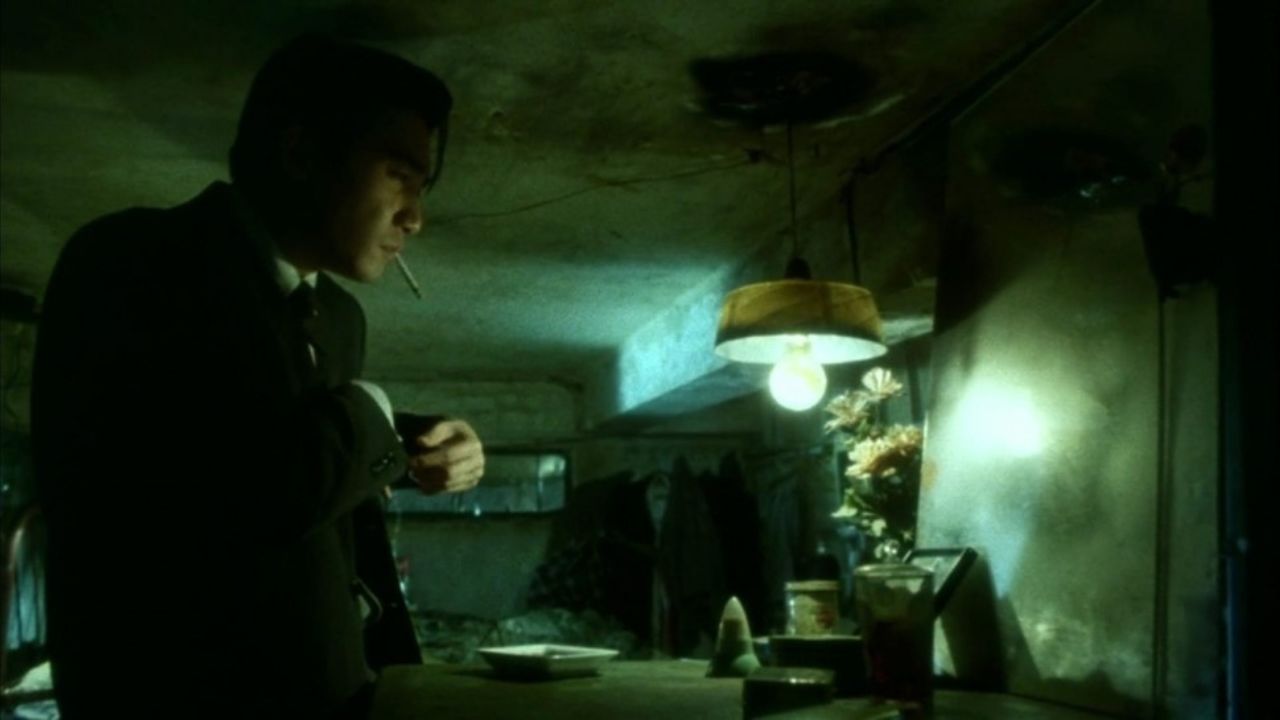
Wong prefers showing pain through pauses, glances, and unfinished conversations to dramatic confrontations or tears. The director uses Christopher Doyle’s magnificent cinematography to emphasize these themes, as he often isolates the actors by filming them in cramped rooms, mirrors, or darkened passages.
On a symbolic level, the film also captures the mood and atmosphere of Hong Kong during that time as its characters wander through places and relationships, reflecting impermanence in society as well as rootlessness.
Have you watched ‘Days of Being Wild’? Let us know in the comments section below.
You Might Also Like To Read: Top 10 Love-At-First-Sight Romance Movies