
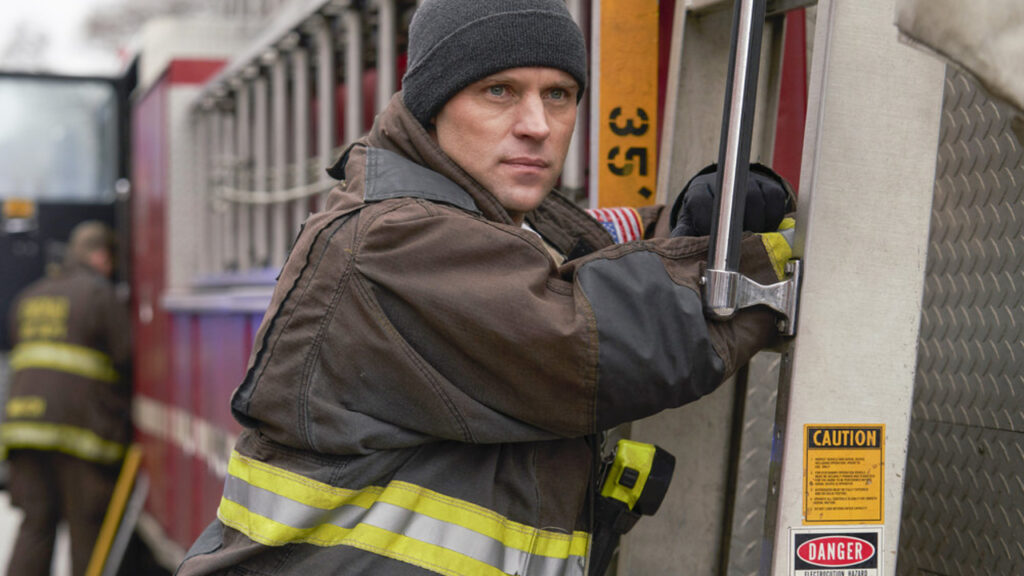
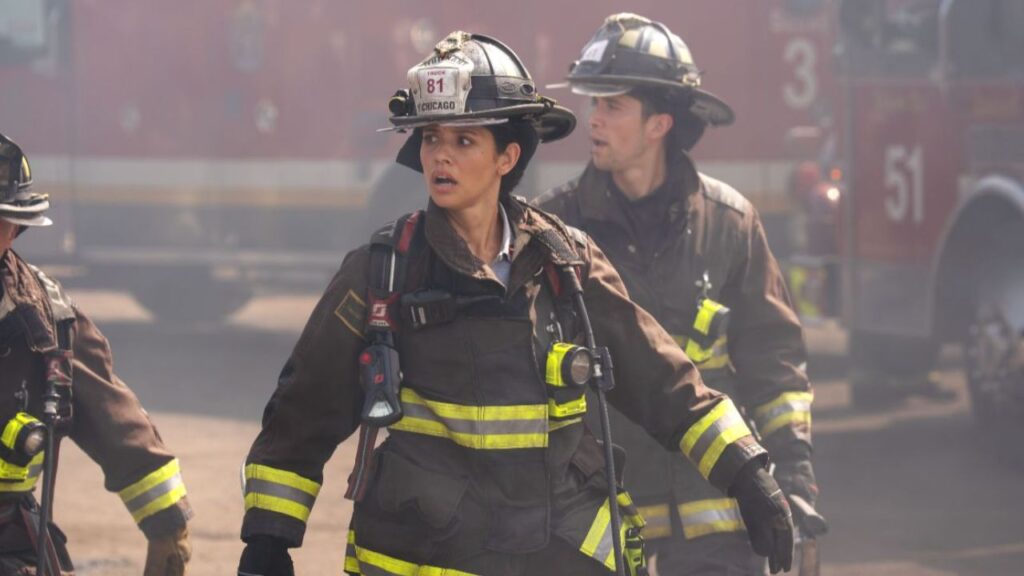
Today, ‘Chicago Fire‘ stands as one of NBC’s most reliable and enduring hits. For over a decade, the blazing procedural drama has commanded a fiercely devoted audience and served as the cornerstone of the immensely successful One Chicago universe crafted by Derek Haas, Michael Brandt, and Dick Wolf. This massive television franchise later expanded to include hit spin-offs ‘Chicago P.D.‘ and ‘Chicago Med.’
However, the future of the flagship fourteen-season series looked anything but secure when it first aired in 2012. In fact, the initial reception was so underwhelming that co-creator Derek Haas admitted he and his writing partner, Michael Brandt, became absolutely convinced the show would land on the chopping block after just two episodes had aired.
The Ratings Drop That Triggered Panic
Before creating ‘Chicago Fire,’ Haas and Brandt had established themselves in Hollywood through films such as ‘2 Fast 2 Furious,’ ‘Wanted,’ and ‘3:10 to Yuma.’ But television brought a completely different set of pressures, many of which the pair had not fully appreciated at the start.
Related: Top 10 TV Show Cancellations in 2026 That Hurt The Most
During a 2016 interview with The Hollywood Reporter, Haas explained that the creative team initially focused almost entirely on making the best show possible. Ratings were not at the forefront of their minds as production got underway.
“We were having so much fun making the show that nobody told us we had to worry about ratings and all of these things,” Haas said. The premiere delivered respectable numbers and gave the creators some reason for optimism.
That confidence quickly disappeared when the second episode suffered a noticeable drop in viewership. In an era when networks routinely pulled struggling series after only a few weeks, Haas immediately feared the worst.
“The first episode came out, and it did OK. The second episode was way worse, and I honestly thought we were dead in the water,” Haas recalled, adding, “We just thought, ‘Oh, OK, that was an interesting six months or year of our lives, but it was fun while it lasted.’”
Holding Out Hope For Episode Seven
Despite their concerns, Haas and Brandt still believed the show could connect with viewers. They felt some of the strongest material was still ahead, but the only problem they thought was that the series might not survive long enough for audiences to see it.
In Case You Missed It: Jerry Seinfeld Takes Aim At ‘Friends’, Says NBC Copied ‘Seinfeld’s Wining Formula With Just “Good-Looking People”
The seventh installment of the season stood out for Haas, who remembered feeling confident. “We knew the seventh episode was going to be a good one,” he said. “It was a Thanksgiving episode, and we were just thinking, ‘Man, if we can make it to the seventh, I think we’ll have caught on.’”
At that stage, reaching the seventh episode felt far from guaranteed. The creators watched the ratings closely and wondered whether NBC would lose patience before the series had a chance to establish itself. After all, many freshman dramas never received that opportunity.
How NBC Helped Saved ‘Chicago Fire’
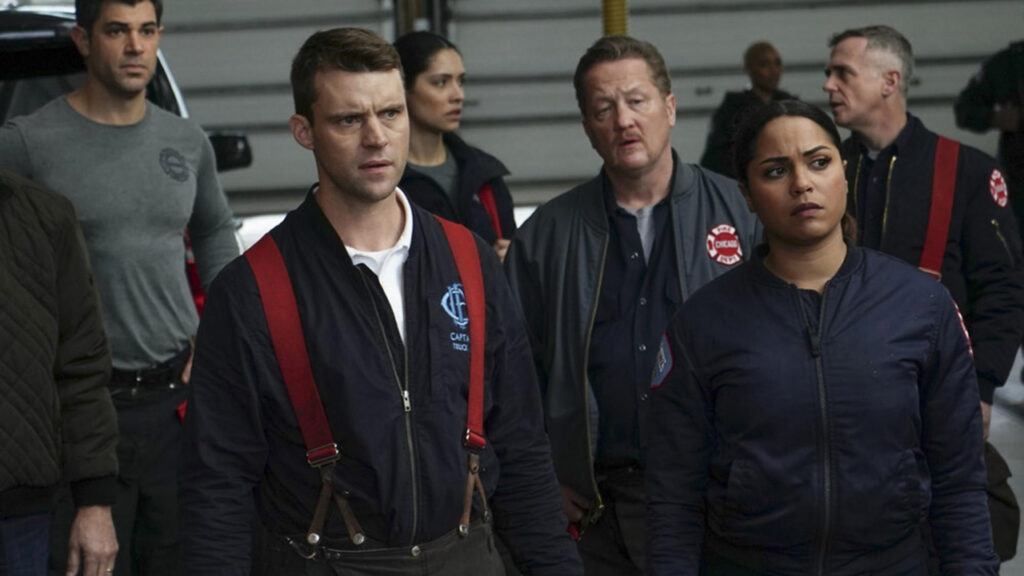
Fortunately for Firehouse 51, NBC took a longer view. Rather than reacting to a single ratings dip, the network continued supporting the show and looked for ways to expand its audience. Haas credited NBC for remaining patient while the series found its footing.
“Lucky for us, NBC stuck with it, kept promoting it while playing it on Saturdays also,” Haas said. “They didn’t get discouraged and let it breathe, and then it found its audience.” That viewership gradually increased as the first season progressed.
What initially looked like a short-lived experiment grew into something much larger. By the middle of fall, the creators began to believe the show might actually have a future. “It was about halfway through the fall that we thought, ‘Oh, OK, maybe we’ve got something,’” Haas recalled.
Over a decade later, that patience has paid off remarkably. NBC’s decision to stick with ‘Chicago Fire’ did more than save a single series. It laid the foundation for one of the network’s most successful television franchises, which continues to thrive today.
You Might Also Like To Read: Why ‘Damage’ Doesn’t Care About Romance And Why That Makes It Brilliant