In the fall of 1948, moviegoers in Chicago, who wanted to see Alfred Hitchcock’s latest film, got turned away at the theatre. The Master of Suspense, known for ‘Rebecca‘ and ‘Notorious‘, had finally gone too far.
Hitchcock’s crime was not just showing a cold-blooded murder, but hinting at the secret vice hiding between the lines of dialogue: the suggestion, however faint, of a gay relationship.
The True Crime Plot Behind Alfred Hitchcock’s Perfect Murder Movie
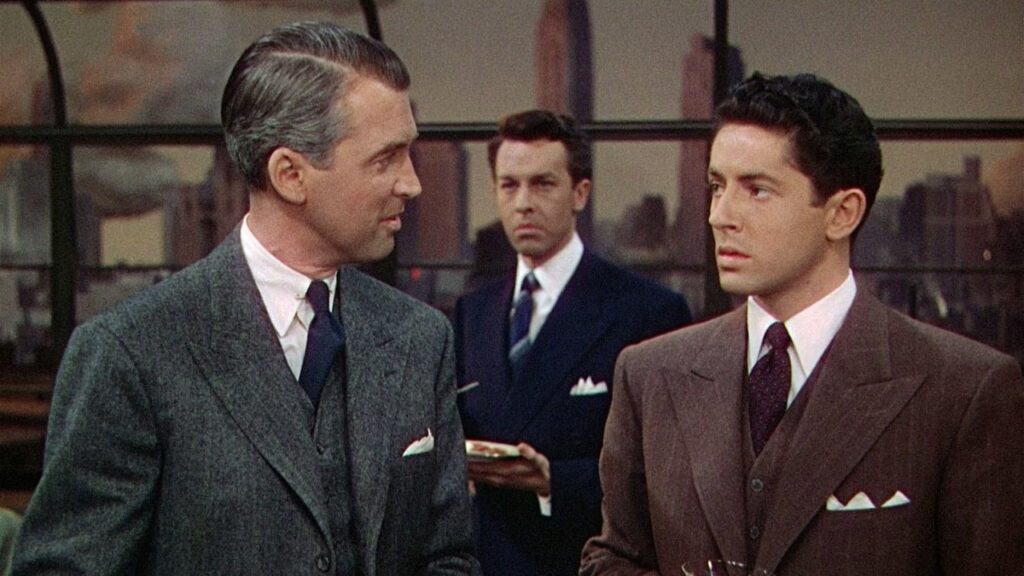
‘Rope‘ was made under Hitchcock’s own studio, Transatlantic Pictures. It was a technical wonder edited to look like one single 80-minute shot. But the plot, based on the real-life Leopold and Loeb case, was meant to stir things up.
Related: The Hollywood Clash That Ended Alfred Hitchcock’s Perfect Partnership with Cary Grant
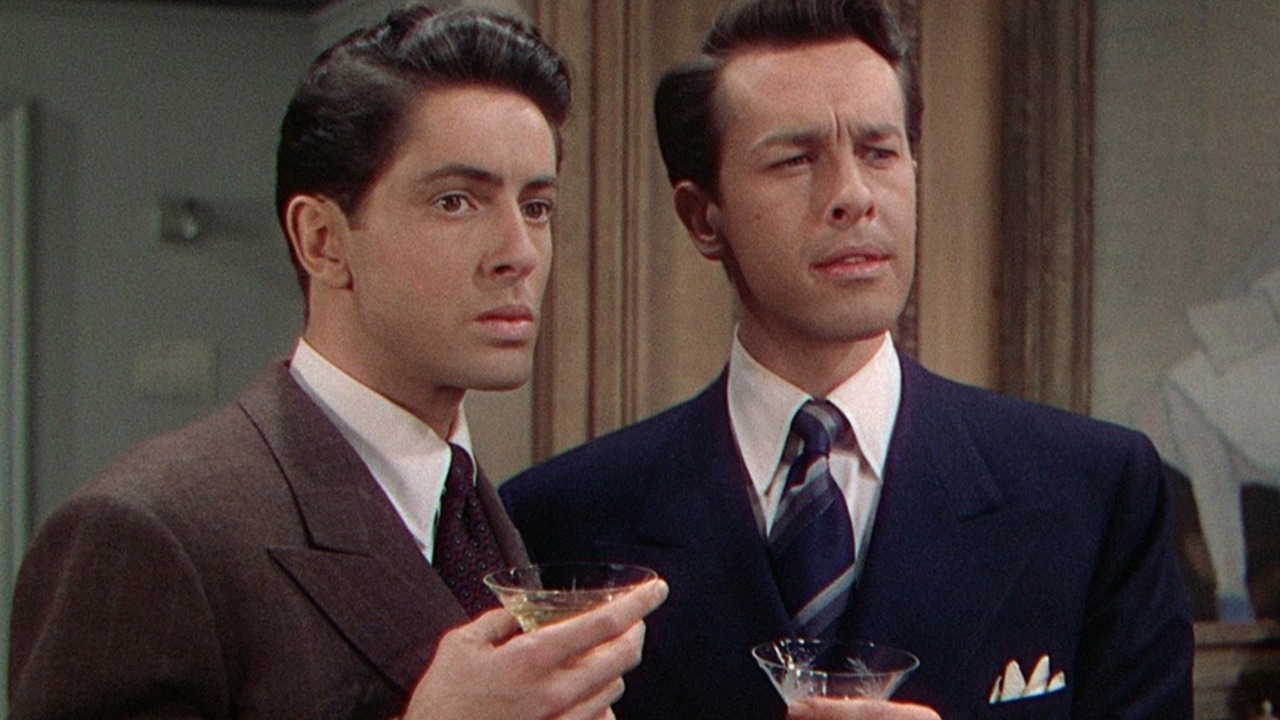
It followed Brandon and Phillip, two rich and arrogant young men who strangle an old classmate just for the thrill of getting away with the perfect murder. Then they throw a dinner party with the body hidden in a wooden chest.
How Hays Code Tried to Hide the Gay Subtext
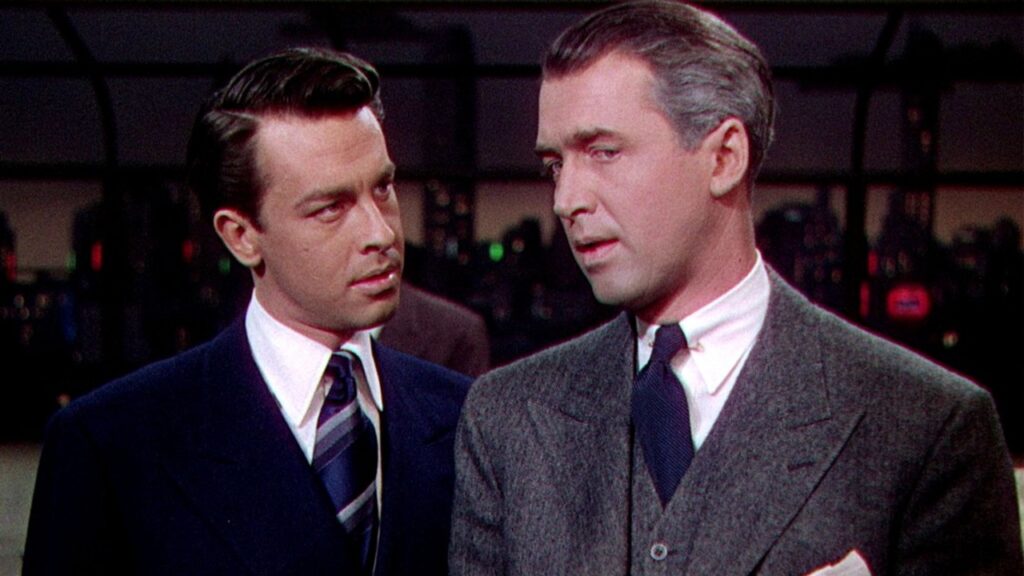
The violence was only hinted at, but the relationship between the killers was something you could not talk about in public back then. The Hays Code banned what it called “sex perversion,” which was Hollywood’s way of saying homosexuality.
Screenwriter Arthur Laurents, who was dating the film’s star, Farley Granger (the actor who played Phillip), said the hidden meaning was very much on purpose. Laurents later said that Hitchcock, a man who loved hidden jokes, not only knew about the on-set romance but loved it.
In case you missed it: The Untold Truth About Alfred Hitchcock and His Troubling Views on Women
According to John Billheimer’s book ‘Hitchcock and the Censors‘, Laurents said, “It tickled him that Farley was playing a homosexual in a movie written by me, another homosexual; that we were lovers; that we had a secret he knew… It added a slightly kinky touch, and kink was quality devoutly to be desired.”
Hitchcock told the actors to play their scenes like lovers. This created a real tension that the censors at the time found deeply upsetting.
‘Rope’ Censorship Chaos and Ban Across America
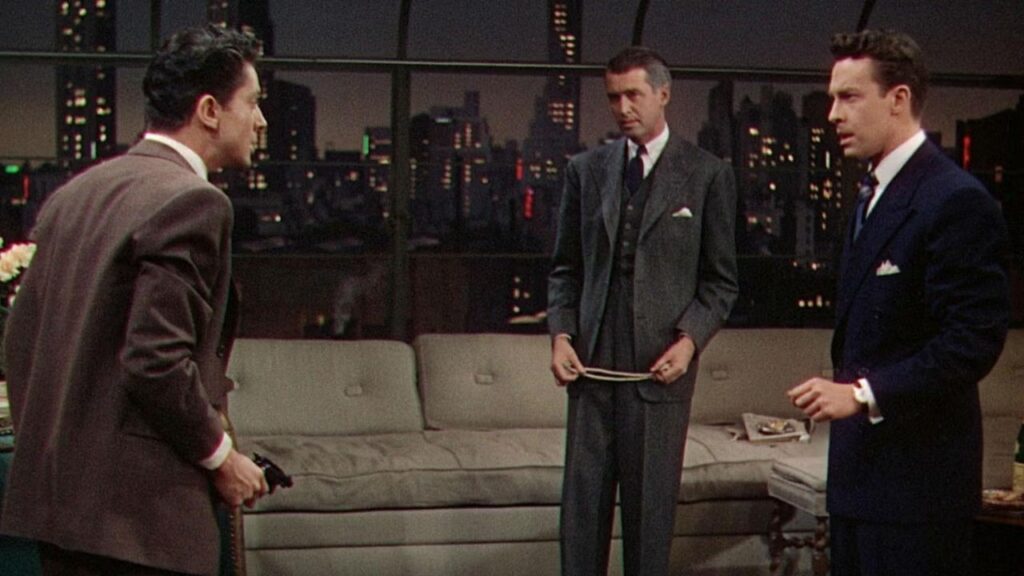
The result was immediate trouble with censors. The National Legion of Decency said the film was “morally unobjectionable for adults,” but local censor boards acted like judge, jury, and executioner.
The New York Times reported in 1948 that the film was “sniped” at by authorities “up and down the land.” In Chicago, the police censor board initially banned the film completely, calling it unwholesome. Other cities did the same, including Atlanta, Georgia; Memphis, Tennessee; and Spokane, Washington. The bans often seemed random. In Seattle, the censors let the film play for nearly two weeks at the Orpheum Theatre, missing the first several days of the “murder,” before suddenly stepping in to shut it down.
The problem was rarely the strangulation. It was the motive. The Hays Code said criminals had to be punished and that psychiatric explanations could not excuse “devilish” acts. But here were two “abnormal” men living together, sharing a wardrobe, which was a symbol Hitchcock leaned into, and committing murder as some artistic expression of their twisted bond. It was just too subversive for the post-war years.
‘Rope‘ was never a huge hit across the country. However, its reputation as the banned Hitchcock film lasted long after the initial uproar. Today, it is seen as an important movie in queer cinema. A film that told a love story between two murderers by whispering what it could not say out loud. It forced the censors of the 1940s to read between the lines, and, horrified by what they found there, they pulled the rope tight.
You might also want to read: The Real Cannes Robbery That Mirrors Alfred Hitchcock’s Classic Thriller