Television has undergone a revolution since ‘The Sopranos’ aired over 20 years ago. Streaming has changed the way people watch stories, seasons are getting shorter, antiheroes are all the rage, and stories are getting created to keep viewers clicking “Next Episode.”
However, ‘The Sopranos’ is still ahead of its time. The series is amazing not just because of its story of a mob boss. It knew great drama doesn’t have to constantly move the plot forward to remain fascinating.
‘The Sopranos’ Made Ordinary Life As Compelling As Its Criminal World
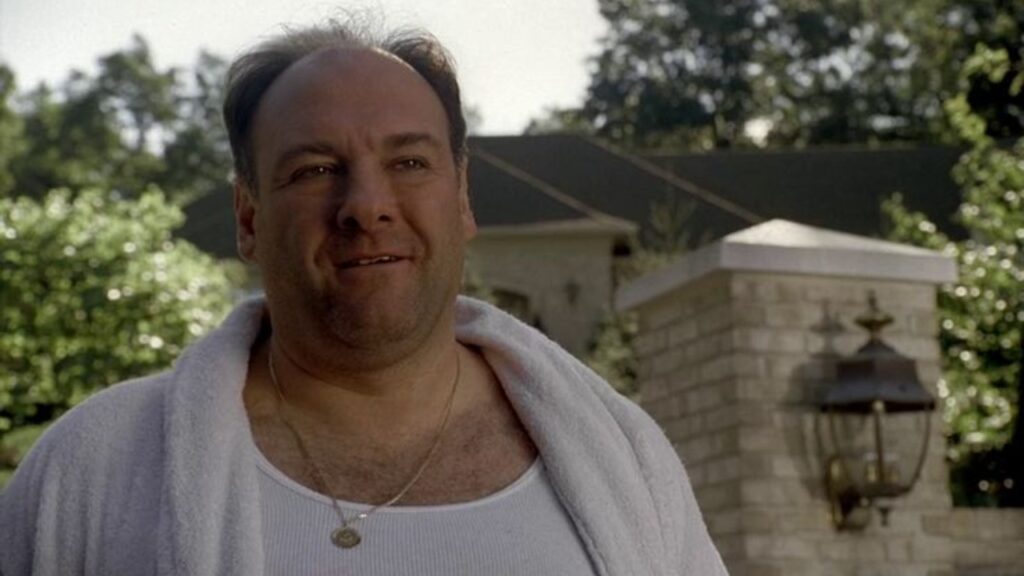
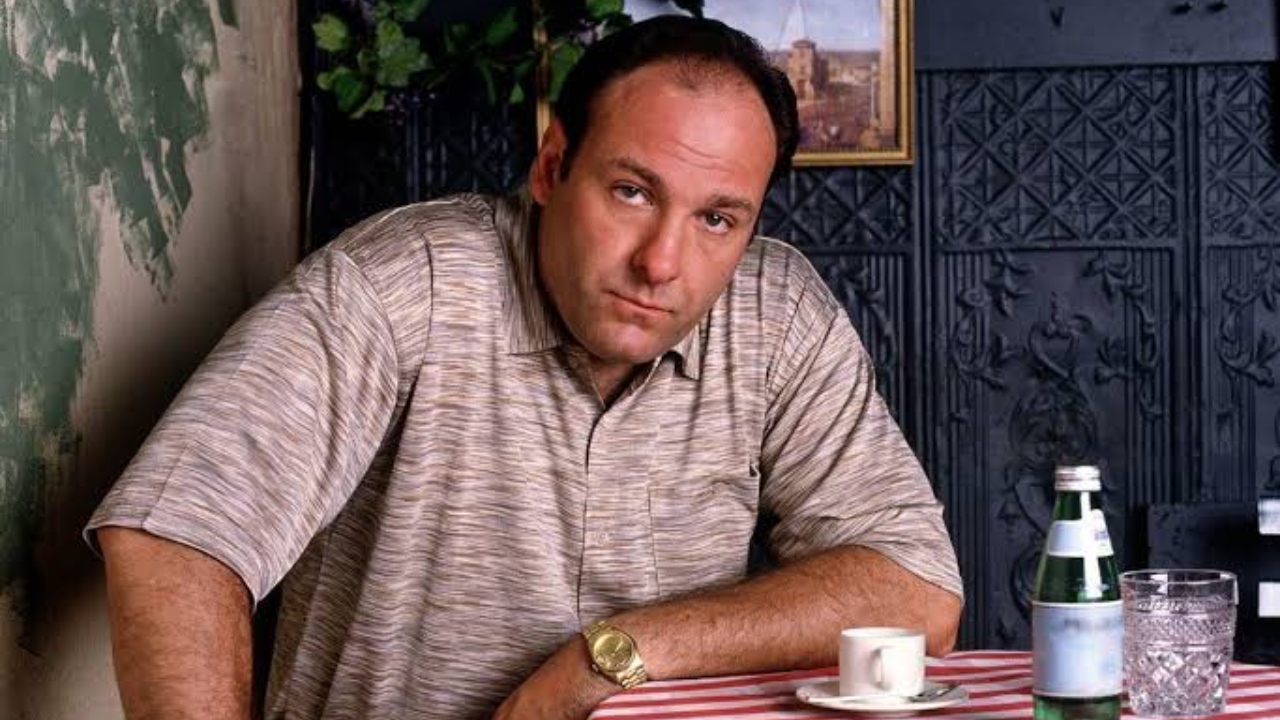
Tony Soprano might be in a fight with his mother, seated around the dinner table with his family, going to therapy, or thinking about a horse, and all of those seemingly mundane moments might tell more about him than a whole season of traditional crime drama. That’s what modern prestige television eventually adopted.
Related: Top 25 Best Crime Drama Shows, Ranked
What made ‘The Sopranos‘ so brilliant was that it refused to divide Tony’s life into the two worlds of crime and everyday life. In one scene, Tony could order a hit, and then worry about his daughter’s college applications the next. He might terrorize someone and then sit at the dinner table with his family. The contradiction wasn’t a flaw in the character.
That’s exactly what the series wanted to show. Take the episode “College.” Tony travels with Meadow to visit universities while simultaneously hunting down former mob associate Fabian Petrulio. The show alternates between a normal father-daughter road trip and Tony killing a man in the woods.
This contrast is all the answer. Tony is not a double agent. Both the fearsome criminal and the loving father are genuine. The show never let viewers have the luxury of picking one of them as the “true” Tony. The same style is used throughout the series.
Carmela’s opulent life is paralleled by her increasing realization of the price of Tony’s wealth. Growing up in a violent and wealthy environment, A.J. has a problem with depression. No one has a smooth arc. People regress. They lie. They promise to change and then fall back into the same habits. That feels incredibly modern.
The Character Development Is Messy, Not Mechanical
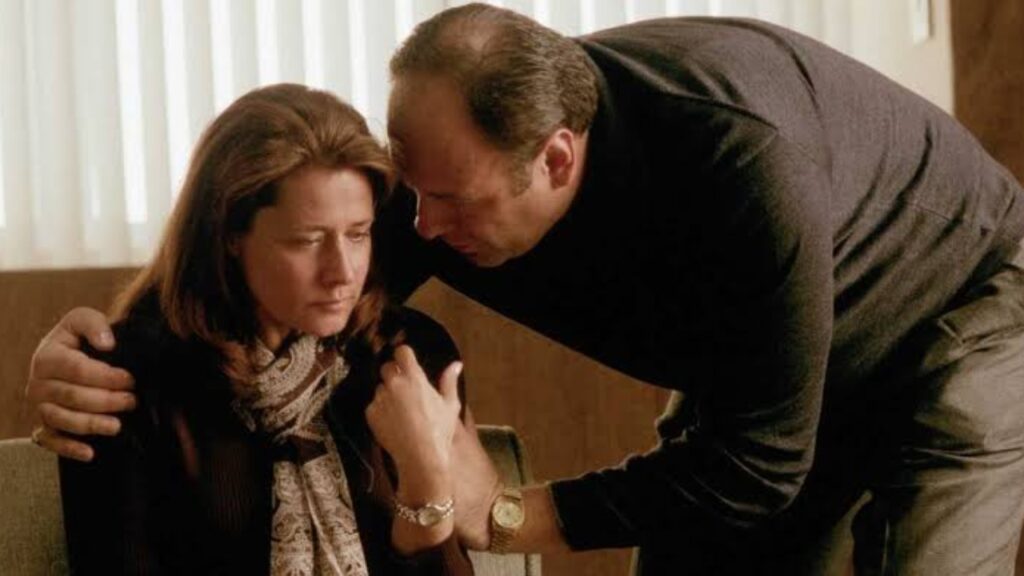
‘The Sopranos’ still feels modern because of the way they developed their characters. In most TV dramas, the characters are supposed to change. They get things wrong, learn from it, work on their weaknesses, and end up as better or worse versions of themselves.
In case you missed it: Top 10 Stupidest Ways Characters Were Killed Off In TV Shows
For years, Tony Soprano sees Dr. Jennifer Melfi for therapy to try to figure out his anger, anxiety, family issues, and destructive behavior. At times, it feels like he’s getting better from therapy. He becomes more self-aware of the harm he inflicts. However, awareness is never transformation.
It’s what makes Tony so interesting. He can have a ‘breakthrough‘ in Melfi’s office and then stroll out and perpetrate another act of violence. He can talk sincerely about being a better father while manipulating Christopher, threatening people, or destroying relationships. His own instincts constantly undermine his progress.
Christopher Moltisanti follows an even more painful version of this pattern. His addiction becomes a serious issue, and at times he seems intent on getting clean and establishing a proper career as a screenwriter. However, his ambition, insecurity, addiction, and need for Tony’s approval continually drag him back into the same world.
It’s a contradiction Carmela feels as well. She knows that Tony’s money is gained from violence and corruption, yet she likes the lifestyle that money brings. Whenever she tries to confront Tony, she eventually finds herself compromising again.
Her character isn’t about finally choosing morality. It is about living with the uncomfortable consequences of choosing comfort. That messy approach feels much closer to real life than the clean character arcs television often provides.
The Show Turned Consequences Into Part Of The Story
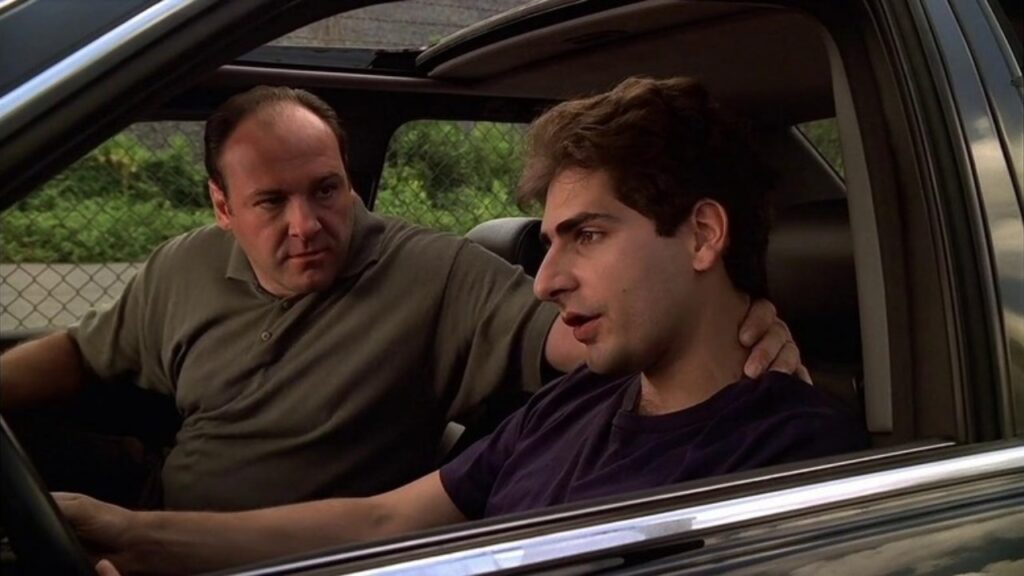
The show knew that what you do doesn’t always have to have an immediate effect. People bear the consequences of their choices, and sometimes they are unaware of them. Take Bobby Bacala. Throughout much of the series, Bobby is one of the more benign characters in Tony’s gang.
He has a distaste for violence and appears to be unaffected by the violence around him. Then Tony makes him commit his first murder. Bobby’s reaction afterward matters because the act isn’t simply treated as another plot point. It changes how we see him. The show turns what could have been a standard mob hit into a major character-development moment.
It’s the same with Tony and Christopher. Tony says that he wants to protect Christopher, almost like a son. But their relationship grows more and more poisonous. Over time, Tony’s mentorship, jealousy, disappointment, and selfishness all play a role in Christopher’s downfall.
These changes are not usually announced with dramatic speeches in the show. Rather, the consequences add up bit by bit. A relationship gets colder. A character loses his/her trust in someone. Someone who was once harmless becomes at ease with something they once feared.
This is one of the reasons ‘The Sopranos‘ is so influential. It’s not a checklist of character development. Individuals don’t just take lessons and walk away. They make the same mistakes over and over, rationalize their actions, and sometimes realize what they have done when it is too late.
‘The Sopranos’ Trusted The Audience To Sit With Uncertainty
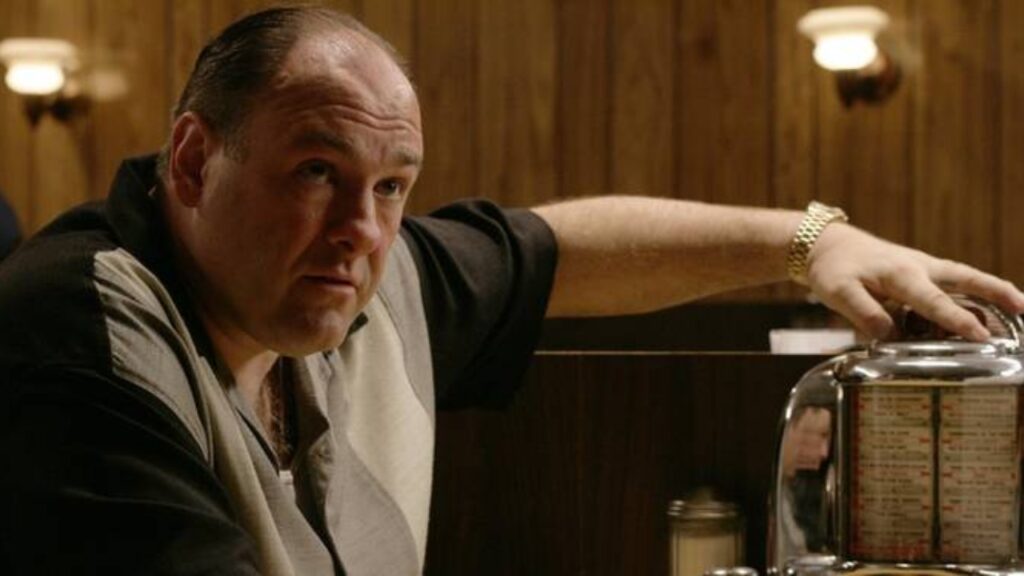
In the last episode, Tony is sitting with his family in a restaurant. Meadow has difficulty parking outside. The tension builds. The door keeps swinging open and closed. The music plays. Tony is facing towards the door. The screen then goes black.
No confirmation. No funeral. No explanation of what happened. It was infuriating for some viewers. To others, it was amazing. That’s why the ending has been the subject of debate for decades. Today’s television frequently demands that viewers speculate, dissect frame-by-frame information, and discuss what a conclusion “actually” means.
‘The Sopranos’ was doing that before social media turned it into an entire culture. More importantly, it understood that audiences don’t always need answers. Sometimes it is best to be uncertain.
That is why ‘The Sopranos’ doesn’t feel like an old show trying to remain relevant. It feels like a show that understood where television was heading long before everyone else caught up. It not only impacted modern television. In many ways, modern television is still trying to catch up with it.
You might also like to read: Top 10 TV Show Storylines Writers Want Us To Forget